Railway crisis III: How to escape the railway debacle in Catalonia?
We must change the railway model of privatization and adopt one 100% public, efficient, insurance, cheap and with better working conditions.
By Gérard Florenson
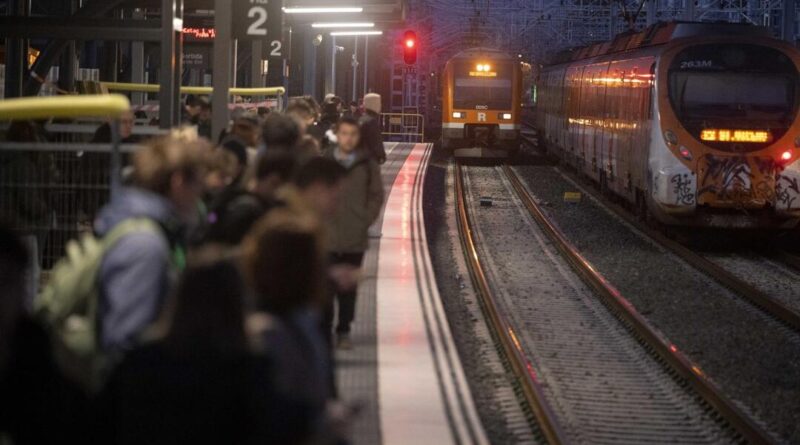
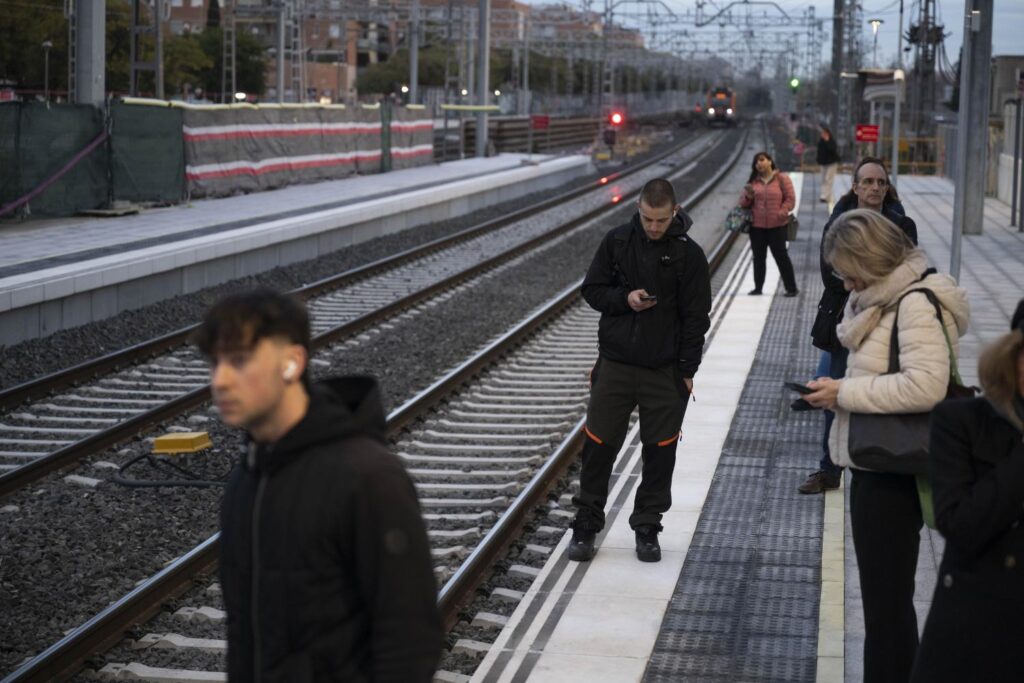
All Cercanías lines are blocked, operating at minimum service or at reduced speed until the 155 called “surveillance points”. The Catalan population is seriously affected. Rail traffic disruptions are not new and, Regrettably, It took tragic accidents to provoke some reaction, or even real solutions. Although the situation generates debate and controversy, no political leader proposes a credible solution. This is understandable, as, Although everyone agrees that the lack of investment, Insufficient controls and poor management of Cercanías are to blame, The true causes of this situation are not being addressed.
The separation between RENFE and ADIF for the benefit of capitalism
This separation occurred in January 2005, in accordance with a European directive whose stated objective was to open the rail transport sector to competition. To date, This competitive bidding process is in effect on main lines and is expected to be extended to regional transport. For the Spanish State, This has meant the end of the RENFE monopoly, a public company, and the possibility that public or private companies, Spanish or foreign, operate their trains on the railway network.
ADIF (Railway Infrastructure Administrator) was created to guarantee the construction, maintenance and management of railway infrastructure. It is a public company totally independent of RENFE. This infrastructure must be available to all railway operators on equal terms., subject to payment of a toll or usage fee.
This separation, which already exists in all European countries, It is not intended to improve the service to users (in capitalist jargon, customers), but to allow large private groups to access the rail transport market (of passengers or goods) and benefit from it. Is “free competition” It also aims to stimulate the total or partial privatization of the remaining public companies., encouraging them to realize operational savings at the expense of jobs, salaries and even security.
And while its competitors, logically, They rush to acquire the most profitable lines, including high speed, The public company will neglect the least profitable ones to survive. ADIF in Spain, like their European counterparts, It has two sources of financing to fulfill its mission: road access fees, paid by the companies that operate their trains on their network, and public subsidies. Since budget austerity seriously affects all public services, They are incentivized to reduce their spending, which is detrimental to both personnel and safety: unions denounce the reduction of 50 % of the permanent workforce and the massive use of subcontracting.
We must break with the privatization system, inefficient and unsafe
A complete transfer, a management 100% Catalan, but to what end? Maintain the separation between infrastructure management by an ADIF (the Catalan railway infrastructure management agency) and a railway company (or several, if the opening to competition is not questioned) would allow some appointments to lucrative positions, but regionalized capitalism will not bring any lasting improvement. After a few high-profile initiatives and some public money to address the most pressing problems, the same causes will produce the same effects.
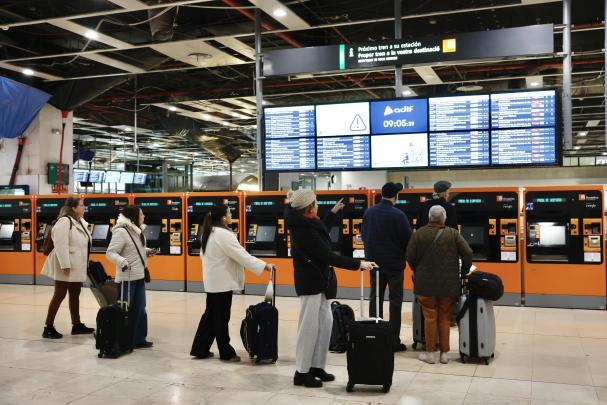
Railway priority: slogan or reality? Long commutes between home and work or school are a daily reality for many of us., a limitation often driven by the economic impossibility of living closer, especially in Barcelona. And this limitation is becoming increasingly unbearable due to traffic jams for those who use their cars, train breakdowns and delays. Prioritize public transportation, especially the railway, It is a social and environmental imperative. To make this a reality, we need reliable and comfortable trains with convenient schedules, with cheap rates in general, free for those most in need and paid for by employers when workers travel.
We cannot achieve this goal without breaking with the current system, where capitalists make profits while losses are financed by our taxes, and where workers are transported in poor conditions that negatively affect their physical and mental health.. For employers, either you arrive on time or you get penalized. The first fundamental step is to reverse the separation between the transport operator and the person directly responsible.: a single entity 100 % public, without shareholders or competition, Responsible for training your staff. And it is not about returning to a state company that operates according to private sector standards: management controlled by employees and user committees!
The involvement of employees is what irritates certain self-proclaimed Catalan nationalists, whose main concern seems to be to defame the railroad workers, and in particular to the machinists, those “charnegos”, “agents of Spanishism” who supposedly “hate Catalonia”… We condemn these atrocities with racist overtones and we want to remember some facts. Many machinists come from regions of the Iberian Peninsula where finding stable, well-paid employment is difficult., a situation that also occurs in other countries where the public sector seems “less bad” that the private. These employees sometimes accept a first assignment in a region far from their own and often discover a fairly high cost of living., especially housing, compared to your country of origin. Wanting to move closer to home is not at all a manifestation of anti-Catalanism; it's perfectly understandable. More of these workers would settle permanently in Catalonia if housing were affordable; a difficult perspective for self-proclaimed “Catalanists” defenders of bosses and rentiers!
further, They fear that the transfer will mean the loss of their acquired rights and salaries, as well as a reduction in mobility. These concerns are legitimate, and the Generalitat (catalan government) must offer guarantees.
Who could implement such a program??
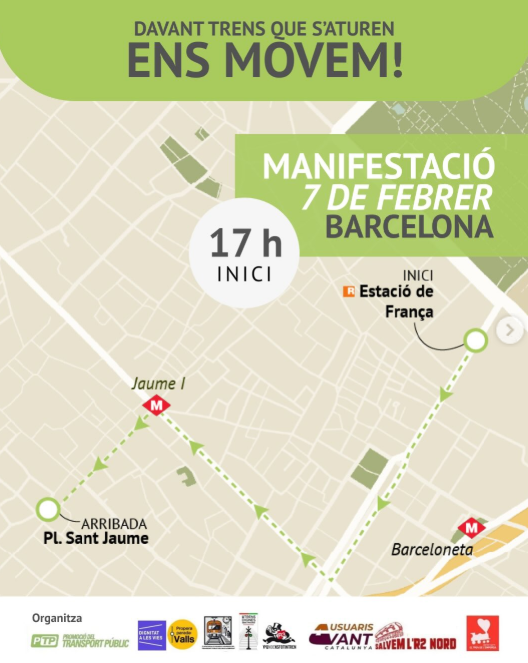
Of course, not the political leaders of the right and the pseudo-left, advocates of privatization and free competition. Because, The demand for quality public transport is inseparable from the fight for a different government, a government of the workers and the people, serving the vast majority of the population, both lifelong Catalans and new ones, without distinction of origin, culture or skin color. In the meantime, it is necessary to support the claims mobilized workers and users for better working conditions, security, efficiency and costs with social access, like the one summoned for the 7 February in Barcelona.