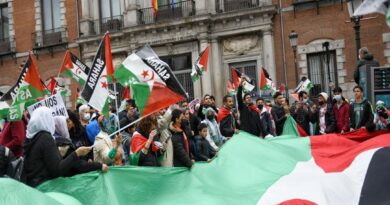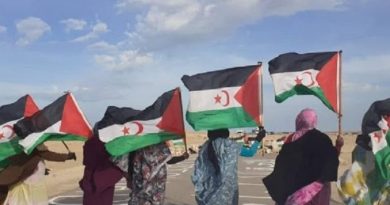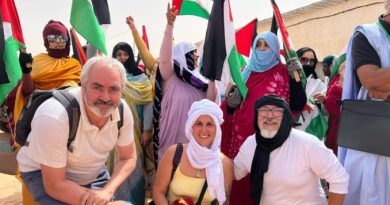
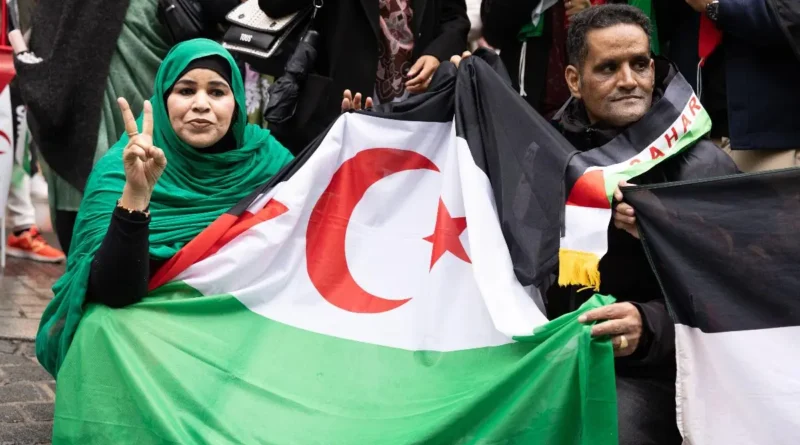
Spain: Sahrawi exclusion tailored to Morocco
The Pedro Sánchez government approved an extraordinary regularization for hundreds of thousands of migrants, but left out statelessness applicants, that we are mostly Sahrawis. The measure consolidates a reactionary policy aligned with Morocco and reinforces the oppression against the self-determination for which we fight.
ByChaiaa Ahmed Baba
It is targeted discrimination
The Spanish government approved a regularization process that could benefit more than 500.000 migrant people. Nevertheless, after a modification of the decree, Persons requesting statelessness were excluded, a group that is mostly made up of Sahrawis.
Initially, The text contemplated including both asylum seekers and stateless people, but the latter were finally eliminated following recommendations from the Council of State.
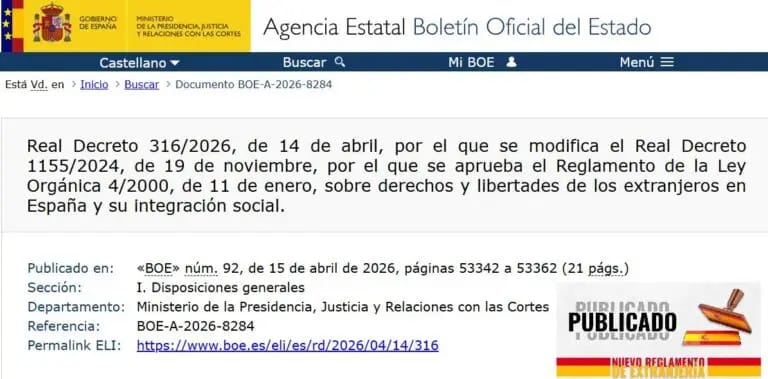
In practice, This implies that thousands of Sahrawi brothers are left out of the process, or they must renounce their request for statelessness to try to access regularization. The measure is discriminatory, because it directly affects our people, historically oppressed by Spain first and then by Morocco..
It directly affects us Sahrawis
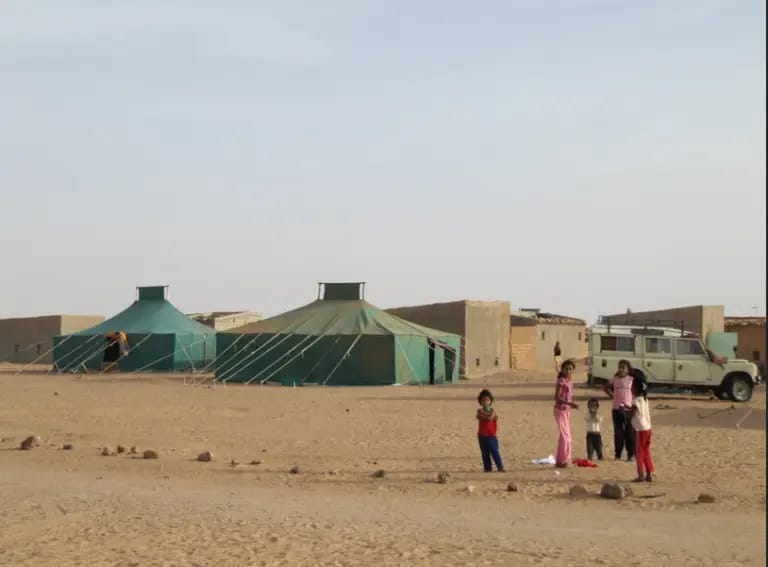
Although the government argues that the exclusion responds to “technical” and “legal” criteria, The political debates themselves show the opposite.. This is a policy tailor-made against us, linked to pressure from the lobby of the Kingdom of Morocco. He 90% Of the statelessness applicants in Spain we are Sahrawis and Western Sahara is a territory pending decolonization. Thus, the measure is not neutral: impacts almost exclusively on my colonized people, who are denied basic rights that are granted to other migrants, although also partially and limitedly.
Sánchez is aligned with Mohamed VI
Deeper political reasons combine behind the legal justification. First, the alignment with Morocco and the autonomy policy of the Mohamed VI regime, as a tool to crush self-determination. Since the turn of the Spanish government regarding Western Sahara, supporting the Moroccan position as Trump did, a policy of diplomatic subordination has deepened. This avoids tensions with the Moroccan regime, that rejects any differentiated political or legal recognition of the Sahrawi people.
Second, selective immigration control. Regularization seeks to integrate a useful workforce into the market, but under controlled conditions. The Sahrawis, being in a legal limbo, we are left out of that functional logic. “Fortress Europe” also builds walls in Spain.
Third, the continuity of the colonial heritage, because Spain was a colonial power in Western Sahara. This decision reaffirms a historic policy: ignore your responsibilities.
Harsh and fair criticism
Representative Tesh Sidi has largely summarized the opinions of different Sahrawi groups by describing what is defined by the Regulation of Extraordinary Regularization of Migrants as an outrage that shows discrimination within the Spanish immigration system.. And he has criticized both the PSOE government and the Sumar leadership for not having put enough pressure in the negotiation of the text to avoid the damage indicated..
That the Regulation be rectified, papers for everyone!
Faced with this situation, that reaffirms the Spanish State as a historical and current accomplice of oppression, It is necessary to modify the Regulation and massive regularization, no exclusions, with full rights for all migrants, without distinction of legal status.
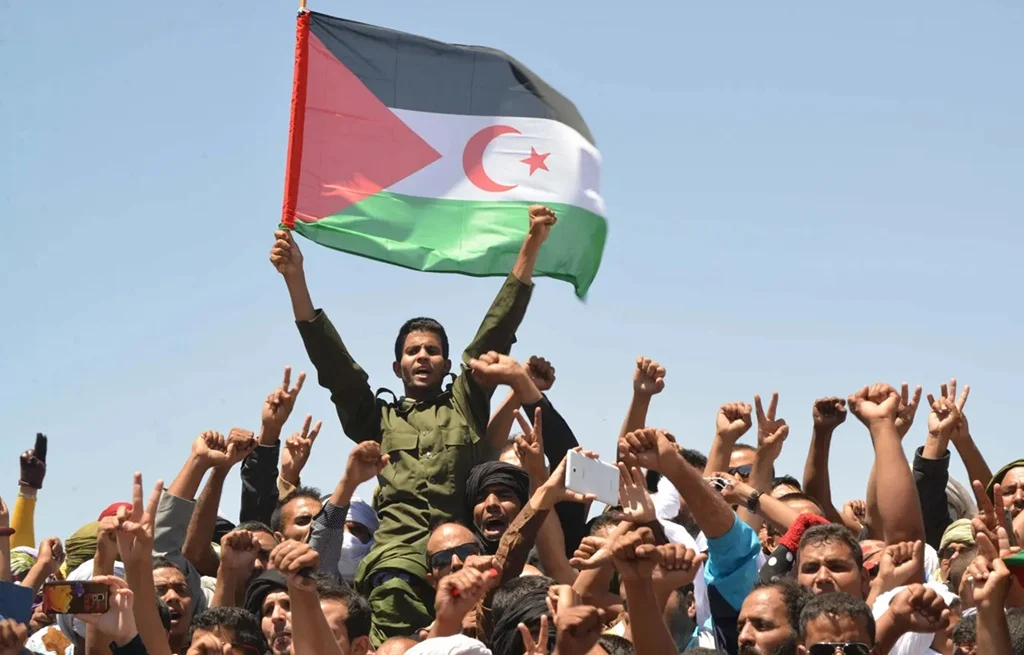
It is essential to demand unitary and mobilized solidarity to achieve recognition of the Sahrawi Arab Democratic Republic (SADR), active support for the right to self-determination of Western Sahara against the occupation of Morocco and its protected autonomy plan.
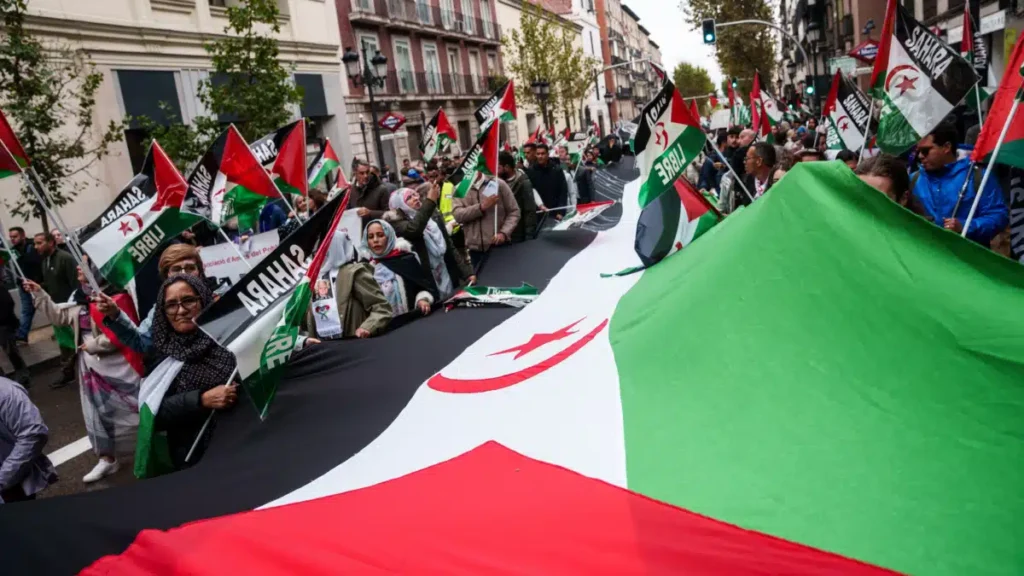
The fight for migrant rights and for the self-determination of oppressed peoples must be united in a common perspective against capitalism and imperialism and for socialism.
Definitely, The exclusion is not a technical error but a political decision: an example of how even partially “progressive” measures can be used to reinforce structural oppressions when subordinated to state and geopolitical interests. Whatever, our resistance takes more than 50 years, They will not break us easily and we will continue to count on the support of the International Socialist League (LIS).